Blogs
Turning Standards Into Strength
We don’t just help you achieve compliance—we help you leverage it as a tool for growth, resilience, and competitive advantage.
ESG Risk Management: Identifying Environmental and Social Risks
Introduction In today's rapidly evolving business environment, sustainability is no longer just a corporate responsibility initiative—it is an essential part of effective risk management. Businesses across industries face increasing pressure from climate change,...
7 Signs Your Management System Is Not Improving Business Performance
A management-system certificate can demonstrate that an organisation has met the requirements of a recognised standard. But certification alone does not answer a more important question: Is the management system actually improving business performance? An organisation...

10 Ways Manufacturers Can Reduce Energy Costs
Energy costs can have a significant impact on manufacturing profitability. Electricity, fuel, compressed air, steam, heating, cooling and other energy requirements can represent substantial operating expenses, particularly in energy-intensive industries. When energy...
How to Reduce Industrial Energy Consumption Without Affecting Production
Reducing energy consumption is an important priority for many industrial organisations. But production teams often have a valid concern: “Will energy-saving initiatives affect production?” This concern can prevent organisations from pursuing opportunities that could...

Building Businesses That Are Ready for Global Growth
Expanding into international markets is an exciting opportunity for any organisation. New markets can create access to new customers, larger revenue opportunities, strategic partnerships and long-term growth. But international expansion also introduces complexity....
How Internal Audits Can Drive Business Improvement — Not Just Compliance
Internal audits are often associated with compliance. Organisations conduct audits because their ISO management system requires them to. Auditors review procedures, check records, identify nonconformities and issue findings. But an effective internal audit can do much...
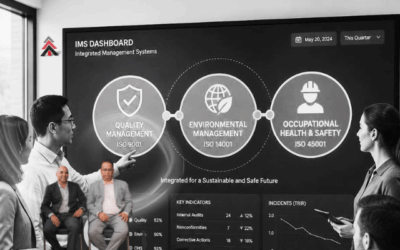
How to Build an Integrated Management System Without Creating More Bureaucracy
Organisations often introduce multiple management systems as they grow. ISO 9001 for quality. ISO 14001 for environmental management. ISO 45001 for occupational health and safety. ISO 27001 for information security. And, depending on the organisation, other standards...
Industrial Energy Management: Where Should Businesses Start?
Energy is one of the most important operating costs for many industrial organisations. Manufacturing plants, processing facilities, warehouses and other energy-intensive operations may consume significant amounts of electricity, fuel, steam, compressed air and other...
ISO Certification in India: A Complete Guide for Businesses in 2026
ISO Certification in India: A Complete Guide for Businesses ISO certification has become an important part of building credibility, improving processes, managing risks, and demonstrating a commitment to consistent business performance. For organisations in India, ISO...
ISO 9001 in 2026: Is Your Quality Management System Still Effective?
ISO 9001 is one of the world's most widely recognised quality management standards. Yet certification alone does not guarantee that a quality management system is delivering better quality, stronger processes or improved customer satisfaction. As organisations become...
ISO 9001 vs ISO 14001 vs ISO 45001: Which Standard Does Your Business Need?
Which ISO Standard Should We Implement? Organisations considering ISO certification often face a basic question: Which ISO standard should we implement? ISO 9001, ISO 14001 and ISO 45001 are three widely used management-system standards, but they address different...
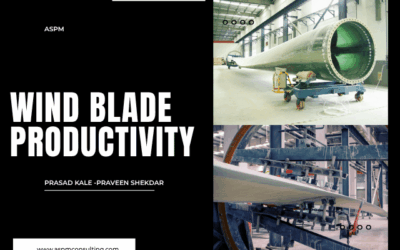
Why Are Wind Turbine Blade Factories Losing Productivity Without Realising It?
By Praveen Shekdar | Prasad Kale ASPM Consulting When a Small Problem Becomes a Factory-Wide Productivity Loss A wind turbine blade factory can appear highly organised: large moulds, skilled technicians, composite materials, vacuum systems, cranes and sophisticated...