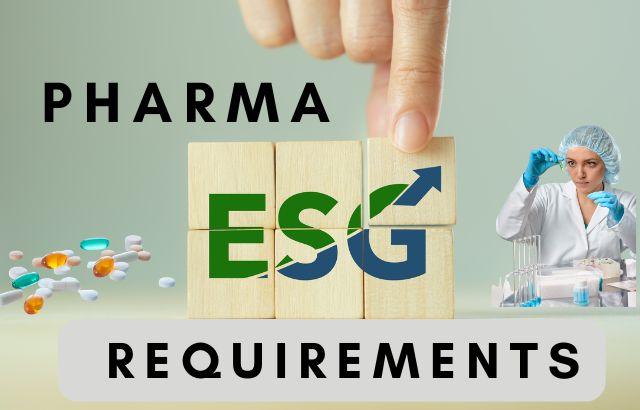
- How Pharmaceuticals & Life Sciences Companies Can Prepare for ESG Requirements
 For pharmaceutical and life sciences companies, ESG is increasingly becoming a business-management issue rather than a standalone sustainability initiative. The reason is straightforward: pharmaceutical companies operate across complex… Read more: How Pharmaceuticals & Life Sciences Companies Can Prepare for ESG Requirements
 - Food Supply Chain Risk: How Businesses Can Ensure Continuity
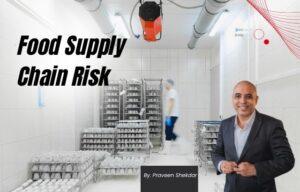 Introduction Food businesses operate within a supply chain where agricultural commodities, ingredients, packaging materials, processing facilities, logistics providers, distributors and retailers are closely connected. A disruption at one… Read more: Food Supply Chain Risk: How Businesses Can Ensure Continuity
 - Automotive Supply Chain Risk: How Manufacturers Can Build Resilience
 Introduction An automotive vehicle may contain thousands of individual components, sourced through a complex network of manufacturers, suppliers, logistics providers and service partners. A disruption at one point… Read more: Automotive Supply Chain Risk: How Manufacturers Can Build Resilience
 - Lean Manufacturing: A Practical Guide to Operational Excellence
 Introduction Manufacturing businesses constantly face the same fundamental challenge: how can more value be delivered with fewer resources, less waste, better quality and greater consistency? Higher material costs,… Read more: Lean Manufacturing: A Practical Guide to Operational Excellence
 - Why Your Integrated Management System Is Still Operating Like 4 Separate Systems
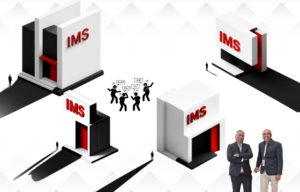 Primary Focus: integrated management system problems Secondary Focus: IMS integration, integrated management system, ISO management systems, IMS implementation, ISO 9001 ISO 14001 ISO 45001 ISO 27001 An organization… Read more: Why Your Integrated Management System Is Still Operating Like 4 Separate Systems