Introduction
Environmental, Social, and Governance (ESG) considerations are becoming increasingly important for organisations seeking to achieve sustainable growth, manage risks, and improve long-term business performance. Businesses today face several challenges, including climate change, resource scarcity, supply chain disruptions, changing regulations, employee expectations, and increasing stakeholder scrutiny.
Traditional business strategies often focus on profitability, productivity, and operational efficiency. However, long-term success also depends on how effectively an organisation manages environmental impacts, treats employees and suppliers, and maintains ethical governance practices.
This is where ESG business performance becomes important. Integrating ESG principles into business strategy can help organisations identify emerging risks, improve resource efficiency, strengthen stakeholder relationships, and prepare for changing market conditions.
For example, a manufacturing company that invests in energy-efficient equipment may reduce electricity costs while lowering its environmental impact. Similarly, a business that strengthens workplace safety practices can reduce the likelihood of accidents, improve employee confidence, and minimise operational disruptions.
ESG is not simply a sustainability reporting exercise. When implemented effectively, it can become part of an organisation’s risk management, operational planning, procurement, employee engagement, and strategic decision-making processes.
In this blog, we explore how ESG can improve business resilience and performance, the practical steps organisations can take, the benefits of implementation, common challenges, and examples of ESG initiatives in action.
What Is ESG Business Performance?
ESG business performance refers to how effectively an organisation manages environmental, social, and governance factors that influence its operations, risks, opportunities, stakeholder relationships, and long-term objectives.
It considers more than financial results alone. It also examines whether a business manages resources responsibly, protects employees, maintains ethical practices, and establishes effective oversight and accountability.
The three main components of ESG are:
1. Environmental Performance
Environmental performance focuses on how an organisation manages its environmental impacts and dependencies.
Key areas include:
- Energy consumption and efficiency.
- Greenhouse gas emissions and climate-related risks.
- Water consumption and wastewater management.
- Waste reduction, recycling, and resource efficiency.
- Pollution prevention and environmental compliance.
- Responsible use of raw materials.
Example: A food processing company introduces water recycling and energy-efficient equipment. These measures may reduce resource consumption, lower operating costs, and improve the organisation’s ability to manage water scarcity and rising energy prices.
2. Social Performance
Social performance concerns how an organisation manages its relationships with employees, suppliers, customers, communities, and other affected stakeholders.
Important areas include:
- Occupational health and safety.
- Employee well-being and engagement.
- Fair labour practices and human rights.
- Diversity, inclusion, and equal opportunity.
- Supplier working conditions.
- Customer safety and responsible business practices.
Example: A construction company strengthens contractor safety assessments, provides regular safety training, and investigates workplace incidents. These actions can help prevent injuries, reduce disruption, and strengthen workforce confidence.
3. Governance Performance
Governance performance relates to how an organisation is directed, controlled, and held accountable.
Key areas include:
- Business ethics and anti-corruption measures.
- Leadership accountability and oversight.
- Regulatory compliance.
- Risk management and internal controls.
- Data protection and information security.
- Transparent reporting and responsible decision-making.
Example: A company establishes a formal process for reporting ethical concerns, investigates complaints consistently, and assigns responsibility for corrective actions. This can strengthen accountability and help identify misconduct before it develops into a more serious problem.
Why Is ESG Important for Business Resilience?
Business resilience is an organisation’s ability to anticipate, prepare for, respond to, and recover from disruptions while continuing to pursue its objectives.
Disruptions can arise from extreme weather, supply shortages, regulatory changes, employee-related issues, cybersecurity incidents, governance failures, or changing customer expectations.
Integrating ESG into business planning can help organisations understand these challenges and develop appropriate responses.
1. Helps Identify Risks Earlier
Environmental and social issues can create significant operational, financial, legal, and reputational risks.
For example, a company that depends on water-intensive manufacturing may face production interruptions if water availability declines. A business that relies on suppliers in areas exposed to extreme weather may experience delays, higher costs, or shortages.
By assessing relevant ESG risks in advance, organisations can identify vulnerabilities and establish mitigation plans.
Practical action: Add material ESG risks to the existing enterprise risk register. Assign risk owners, assess the potential impact, document controls, and review significant risks regularly.
2. Strengthens Supply Chain Resilience
Supply chain disruptions can affect production schedules, product quality, customer service, and operating costs.
ESG-related supply chain risks include:
- Supplier exposure to floods, droughts, or extreme temperatures.
- Dependence on scarce natural resources.
- Unsafe working conditions or labour violations.
- Environmental non-compliance by suppliers.
- Weak business ethics and inadequate supplier oversight.
Example: A manufacturer discovers that a critical supplier operates in a region experiencing recurring water shortages. The company evaluates alternative suppliers, reviews resource management practices, and develops a contingency plan to reduce dependence on a single source.
This approach can improve preparedness and help maintain business continuity.
3. Improves Adaptability to Changing Requirements
Businesses may need to respond to changing environmental regulations, sustainability disclosure requirements, customer expectations, and supply chain standards.
Organisations that monitor relevant developments can prepare earlier and reduce the risk of rushed implementation.
However, applicable requirements differ according to jurisdiction, industry, company size, and reporting status. Businesses should identify the obligations relevant to their circumstances rather than assuming that every ESG requirement applies to every organisation.
Practical action: Maintain a register of applicable legal, regulatory, contractual, and customer requirements. Assign responsibility for monitoring changes and updating relevant procedures.
4. Supports Better Business Continuity Planning
ESG considerations can strengthen business continuity planning by identifying environmental hazards, workforce risks, resource dependencies, and governance weaknesses that could interrupt operations.
Example: A warehouse operating in a flood-prone area evaluates flood exposure, reviews emergency response procedures, protects critical equipment, and identifies alternative storage arrangements.
These measures can reduce potential disruption and improve recovery preparedness.
How ESG Can Improve Business Performance
ESG can contribute to business performance through better resource management, improved operational controls, stronger workforce engagement, and more informed decisions. The results depend on the organisation’s priorities, implementation quality, and operating conditions.
1. Reduces Operating Costs Through Resource Efficiency
Energy, water, raw materials, and waste disposal can represent significant operating expenses.
Environmental initiatives can help businesses identify inefficiencies and reduce avoidable costs.
Examples include:
- Installing energy-efficient lighting and equipment.
- Monitoring electricity consumption across production processes.
- Repairing leaks and improving water efficiency.
- Reducing material losses during manufacturing.
- Reusing materials where technically and legally appropriate.
- Improving waste segregation and recycling.
Example: A manufacturing business records electricity consumption by production line and discovers that older equipment uses substantially more energy than newer machinery. After evaluating the investment cost and expected savings, the company upgrades selected equipment and monitors consumption per unit produced.
The business can then assess whether the investment improves efficiency and reduces operating expenses.
2. Improves Employee Engagement and Productivity
Employees are essential to operational continuity, service quality, innovation, and customer satisfaction.
A strong social performance approach can help organisations create safer workplaces, improve communication, support employee development, and address workplace concerns.
Practical measures include:
- Conducting regular workplace safety assessments.
- Providing role-specific training.
- Establishing accessible grievance mechanisms.
- Encouraging employee participation in improvement initiatives.
- Monitoring turnover, absenteeism, and employee feedback.
- Promoting fair and respectful workplace practices.
Example: A logistics company reviews accident records and employee feedback and identifies recurring manual-handling injuries. It improves workstation design, introduces practical training, and monitors injury trends.
If the interventions are effective, the company may experience fewer injuries, reduced absence-related disruption, and better operational continuity.
3. Strengthens Customer and Stakeholder Trust
Customers, investors, business partners, employees, and communities may consider ESG practices when evaluating an organisation.
Businesses that demonstrate responsible conduct and communicate their performance accurately can strengthen stakeholder confidence.
For example, a company that provides clear information about its environmental targets, employee safety measures, and supplier standards may be better positioned to respond to customer assessments and procurement requirements.
However, communication must reflect actual performance. Unsupported environmental claims or exaggerated sustainability statements can undermine trust and create reputational risks.
Practical action: Maintain evidence for important ESG claims, document calculation methods, and ensure that public statements accurately represent the organisation’s activities and results.
4. Supports Innovation and Operational Improvement
ESG assessments can reveal opportunities to redesign processes, improve products, reduce waste, and develop more efficient business models.
For example, a packaging manufacturer may identify excessive material use as both an environmental concern and a cost issue. By redesigning packaging while maintaining product protection and quality, it may reduce material consumption and transportation weight.
Similarly, a service organisation may introduce digital document workflows to reduce paper use and improve process efficiency.
ESG becomes more valuable when it encourages practical problem-solving rather than being treated solely as a reporting requirement.
5. Improves Access to Business Opportunities
Some customers, procurement teams, investors, and business partners evaluate ESG practices when selecting suppliers or assessing business relationships.
A structured ESG approach can help organisations respond to relevant questionnaires, provide supporting evidence, and identify gaps before entering new commercial relationships.
Example: A small component manufacturer receives a sustainability questionnaire from a large customer. Because the manufacturer already tracks energy use, waste, workplace safety, and supplier assessments, it can provide more consistent information and identify areas requiring improvement.
ESG practices do not guarantee contracts or financing, but credible information and effective risk management can help businesses meet relevant expectations.
Practical Steps to Improve ESG Business Performance
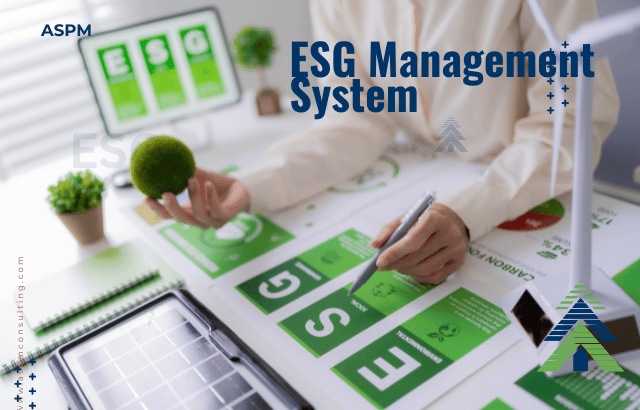
Organisations can improve ESG performance by integrating relevant sustainability priorities into existing business processes.
Step 1: Identify Material ESG Issues
Begin by identifying the environmental, social, and governance issues most relevant to the organisation.
Consider:
- The industry and business model.
- Environmental impacts and resource dependencies.
- Workforce size and working conditions.
- Supplier and customer relationships.
- Applicable legal and regulatory obligations.
- Potential financial risks and business opportunities.
- Impacts on people and the environment.
Depending on the applicable framework, the assessment may consider financial materiality, impacts on people and the environment, or both.
Example: A textile manufacturer prioritises water consumption, wastewater management, chemical handling, energy use, and supplier labour practices because these issues are particularly relevant to its operations and supply chain.
Step 2: Assess Existing Business Processes
Review existing systems and procedures before creating new ESG processes.
Relevant areas may include:
- Environmental management.
- Quality management.
- Occupational health and safety.
- Procurement and supplier evaluation.
- Human resources and employee relations.
- Enterprise risk management.
- Compliance and internal audits.
Identify what is already monitored, which controls are effective, and where additional information or procedures are required.
Example: A company already conducts environmental inspections and safety audits. It expands these activities to include selected ESG performance indicators and risk-based supplier checks instead of establishing a completely separate audit programme.
Step 3: Establish Measurable ESG Objectives
Set objectives that reflect material issues and business priorities.
Examples include:
- Reducing electricity consumption per unit of production.
- Improving water efficiency in high-consumption processes.
- Increasing the proportion of high-risk suppliers assessed.
- Reducing workplace injuries through targeted prevention measures.
- Improving completion and effectiveness of corrective actions.
- Strengthening employee awareness of ethical conduct.
Where appropriate, establish a baseline, define the measurement period, assign responsibility, and set a realistic target.
Example: A company establishes a baseline for electricity consumption per unit produced and sets a reduction target for the following financial year. It tracks progress monthly and investigates unexpected increases.
Step 4: Assign Responsibilities
ESG implementation requires cooperation between departments.
Senior management should provide oversight and resources, while relevant teams should manage actions within their areas of responsibility.
For example:
- Senior management: Approves priorities and reviews progress.
- Operations: Manages resource efficiency and operational controls.
- Human resources: Addresses employee well-being and labour practices.
- Procurement: Evaluates supplier-related ESG risks.
- Finance: Supports relevant financial analysis and controls.
- Risk and compliance: Monitors applicable requirements and risk exposure.
- Sustainability team: Coordinates reporting and tracks overall performance.
In smaller businesses, one person may manage several responsibilities. The important point is to define ownership and escalation procedures clearly.
Step 5: Integrate ESG Into Risk Management
ESG risks should be assessed using the organisation’s established risk management approach.
For each material risk, consider its likelihood, potential consequences, existing controls, and additional mitigation measures.
Examples include:
- Extreme weather affecting facilities or suppliers.
- Water shortages disrupting production.
- Workplace incidents affecting employees.
- Supplier labour violations creating human rights concerns.
- Environmental non-compliance leading to penalties or disruption.
- Governance weaknesses increasing the risk of fraud or misconduct.
Example: A food processing company identifies drought as a significant risk to its raw material supply. It assesses supplier locations, evaluates alternative sourcing options, and develops a contingency plan.
Step 6: Monitor ESG Performance Using KPIs
Key performance indicators (KPIs) help organisations evaluate whether their actions are producing meaningful results.
The following table provides examples of indicators that may support ESG business performance monitoring.
| ESG area | Example KPI | Potential business benefit |
|---|---|---|
| Energy management | Energy consumption per unit produced | Identifies efficiency improvements and potential cost savings |
| Climate performance | Greenhouse gas emissions | Supports climate risk assessment and emissions management |
| Water management | Water consumption per unit produced | Helps manage resource use and water-related risks |
| Workplace safety | Injury frequency and corrective action completion | Supports injury prevention and operational continuity |
| Responsible sourcing | Percentage of high-risk suppliers assessed | Improves visibility into supply chain risks |
| Employee engagement | Employee turnover and engagement survey results | Helps identify workforce retention and engagement issues |
| Governance | Ethics training completion and investigation closure | Supports accountability and effective issue resolution |
Select indicators that reflect the organisation’s material issues. Establish consistent definitions, data owners, reporting frequency, and measurement boundaries.
Step 7: Train Employees and Build Awareness
Employees should understand how ESG priorities relate to their responsibilities.
Training can cover energy efficiency, waste management, workplace safety, supplier assessments, ethical conduct, and reporting of concerns.
Training should be relevant to each role and supported by practical procedures.
For example, procurement employees may need guidance on identifying supplier labour risks, while operations employees may require training on environmental controls and incident reporting.
Step 8: Review Results and Improve Continually
Review ESG performance at planned intervals and whenever significant incidents or changes require attention.
Management reviews should consider:
- Progress against objectives.
- Changes in material risks.
- Environmental and workplace incidents.
- Customer and stakeholder feedback.
- Audit findings and corrective actions.
- Data quality and reporting gaps.
- Resources required for improvement.
Example: A business discovers that its waste reduction target has not been achieved despite employee training. Further investigation reveals that inefficient production equipment is the primary cause. Management prioritises equipment improvements rather than repeating training without addressing the underlying issue.
Real-World Business Scenarios: ESG in Practice
The following hypothetical examples illustrate how ESG initiatives may contribute to resilience and performance across different industries.
Example 1: Manufacturing Company Reduces Resource Risks
A manufacturing company experiences rising energy costs and inconsistent electricity consumption across production lines.
The company reviews its energy data, identifies inefficient equipment, and establishes a monitoring system for energy consumption per unit produced.
It then prioritises equipment upgrades based on expected savings, operational requirements, and investment costs.
Potential outcomes:
- Improved visibility into energy consumption.
- Reduced avoidable energy use.
- Better control over operating costs.
- More informed equipment investment decisions.
The company should compare actual results against the baseline to verify the effectiveness of the measures.
Example 2: Retail Business Strengthens Supply Chain Resilience
A retail organisation depends on several suppliers for essential products. An internal assessment identifies inconsistent supplier information and limited visibility into labour and environmental practices.
The organisation introduces a risk-based supplier assessment process, prioritising suppliers according to their location, business activities, and potential impact.
It also establishes procedures for investigating concerns and following up on corrective actions.
Potential outcomes:
- Improved visibility into supply chain risks.
- More consistent supplier evaluation.
- Better preparedness for supply disruptions.
- Clearer expectations for responsible sourcing.
Supplier assessments should be proportionate to risk and followed by appropriate action when serious concerns are identified.
Example 3: Service Company Improves Governance
A professional services company identifies inconsistent procedures for handling employee concerns, ethical complaints, and information security incidents.
It introduces clearer reporting channels, assigns responsibilities for investigations, and establishes management review procedures.
Potential outcomes:
- Clearer accountability.
- More consistent issue resolution.
- Improved visibility into governance risks.
- Stronger internal controls.
These improvements can support trust and help management address problems before they escalate.
Example 4: Small Business Improves Workplace Performance
A small logistics company experiences recurring minor injuries and employee absence.
It reviews incident records, consults employees, and identifies gaps in manual-handling practices and equipment maintenance.
The company introduces targeted training, improves workplace arrangements, and tracks incidents and corrective actions.
Potential outcomes:
- Better awareness of workplace hazards.
- Improved safety procedures.
- Earlier identification of recurring problems.
- Potential reduction in avoidable disruption.
These examples demonstrate possible benefits rather than guaranteed outcomes. Actual results depend on the nature of the risks, the quality of implementation, and ongoing monitoring.
Common Challenges in Improving ESG Business Performance

Although ESG can support business resilience, organisations may face several implementation challenges.
1. Limited Resources and Expertise
Businesses may lack dedicated ESG personnel, specialist knowledge, or implementation budgets.
Solution: Start with the most significant risks, build on existing management systems, and introduce improvements in manageable phases.
2. Inconsistent or Incomplete Data
Environmental, workforce, procurement, and governance data may be held in separate systems or recorded using inconsistent methods.
Solution: Establish clear data ownership, standard definitions, documented calculation methods, and appropriate verification procedures.
3. Difficulty Demonstrating Business Value
Some ESG initiatives require upfront investment, and their benefits may take time to become visible.
Solution: Establish baselines and evaluate relevant financial and operational indicators. Consider investment costs, expected savings, avoided losses, risk reduction, and other relevant outcomes.
4. Lack of Employee Engagement
Employees may view ESG as additional administrative work if they do not understand its purpose.
Solution: Explain how ESG initiatives relate to safety, efficiency, business continuity, customer expectations, and everyday responsibilities.
5. Overemphasis on Reporting
Organisations may focus on producing ESG reports without making corresponding operational improvements.
Solution: Link reporting indicators to measurable objectives, assigned responsibilities, effective controls, and corrective actions.
6. Unsupported Sustainability Claims
Broad or unverified statements about environmental or social performance can create reputational and compliance risks.
Solution: Support public claims with reliable evidence, clearly defined boundaries, and accurate descriptions of actual progress.
Best Practices for Improving ESG Business Performance
Organisations can strengthen ESG implementation by following these practices:
- Align ESG with business strategy: Connect ESG priorities to operational objectives, risk management, and long-term planning.
- Focus on material issues: Prioritise matters that are significant to the organisation and its stakeholders.
- Use existing management systems: Integrate ESG into established risk registers, audit programmes, procurement procedures, and management reviews where practical.
- Establish measurable targets: Use reliable baselines and clearly defined indicators to monitor progress.
- Assign clear accountability: Define responsibilities, deadlines, reporting lines, and escalation procedures.
- Engage stakeholders: Consider employee, supplier, customer, and community perspectives where relevant.
- Verify important information: Maintain supporting evidence for ESG data and public disclosures.
- Evaluate business outcomes: Review whether initiatives improve efficiency, reduce risks, or strengthen operational controls.
- Improve continually: Use monitoring, audits, feedback, and corrective actions to refine the approach.
How ASPM Consulting Can Support ESG Improvement

Organisations seeking to improve ESG performance may benefit from reviewing their current management systems, material risks, performance indicators, and implementation priorities.
ASPM Consulting can be approached to discuss relevant ESG and sustainability support based on an organisation’s requirements and objectives.
Businesses evaluating their ESG approach may wish to consider the following areas:
- Identifying material environmental, social, and governance issues.
- Reviewing existing management systems and identifying improvement opportunities.
- Assessing relevant ESG risks and controls.
- Establishing practical objectives and performance indicators.
- Strengthening environmental management and operational processes.
- Improving ESG data collection and performance monitoring.
- Integrating sustainability priorities into existing business procedures.
The appropriate support depends on the organisation’s industry, size, current systems, and applicable requirements. Businesses should confirm the scope of services directly with ASPM Consulting before proceeding.
Conclusion
ESG can play an important role in improving business resilience and performance when environmental, social, and governance considerations are integrated into everyday decision-making.
By identifying material risks, improving resource efficiency, strengthening employee well-being, assessing suppliers, and maintaining effective governance controls, organisations can improve their preparedness for disruptions and identify opportunities for operational improvement.
The process does not need to begin with a complex new system. Businesses can start by reviewing existing processes, selecting relevant ESG priorities, establishing measurable objectives, assigning responsibilities, and monitoring performance consistently.
Practical examples such as reducing energy consumption, improving workplace safety, strengthening supplier assessments, and establishing ethical reporting procedures demonstrate how ESG can connect responsible business practices with operational objectives.
Ultimately, successful ESG implementation depends on evidence, accountability, and continual improvement. Organisations should focus not only on what they report but also on the effectiveness of the actions they take and the results they achieve.
With a structured and risk-based approach, businesses can use ESG to strengthen resilience, support informed decision-making, and work towards sustainable long-term performance.
Ask ASPM: Frequently Asked Questions About ESG
1. What is ESG business performance?
ESG business performance refers to how effectively an organisation manages environmental, social, and governance issues that affect its operations, risks, opportunities, and stakeholders. It includes indicators such as energy efficiency, workplace safety, supplier assessments, and governance controls.
2. How can ESG improve business resilience?
ESG can improve business resilience by helping organisations identify climate-related risks, resource dependencies, supply chain vulnerabilities, workplace issues, and governance weaknesses. Businesses can use this information to develop mitigation measures and improve their ability to respond to disruptions.
3. What are the main benefits of ESG for businesses?
Potential benefits include improved risk management, better resource efficiency, stronger stakeholder relationships, improved workforce practices, more effective governance, and greater preparedness for changing business requirements. The results depend on the organisation’s circumstances and the effectiveness of its implementation.
4. How does ESG help reduce operating costs?
Environmental initiatives such as energy efficiency, water conservation, waste reduction, and material optimisation can reduce resource consumption and avoidable expenses. Businesses should monitor baseline and post-implementation data to determine whether these measures generate measurable savings.
5. How can small businesses improve ESG performance?
Small businesses can begin by identifying their most significant ESG issues, improving workplace safety, monitoring energy and water use, establishing ethical business practices, and evaluating important suppliers. They can build on existing procedures and introduce improvements gradually.
6. Which ESG KPIs should businesses monitor?
Relevant KPIs may include energy consumption, greenhouse gas emissions, water use, waste generation, workplace injury rates, employee turnover, high-risk supplier assessment coverage, ethics training completion, and corrective action effectiveness. The appropriate indicators depend on the organisation’s material issues.
7. Does ESG improve profitability?
ESG initiatives may support profitability by reducing resource costs, preventing avoidable disruptions, improving efficiency, and helping businesses meet relevant customer expectations. However, profitability is not guaranteed, and organisations should evaluate implementation costs, risks, and measurable outcomes.
8. How can ESG improve supply chain resilience?
ESG can help businesses identify supplier risks related to climate exposure, resource availability, labour practices, environmental compliance, and business ethics. Risk-based supplier assessments and contingency planning can improve visibility and preparedness.
9. How can businesses integrate ESG into existing management systems?
Businesses can incorporate ESG considerations into existing environmental management, quality management, occupational health and safety, procurement, compliance, and enterprise risk management processes. They can update procedures, assign responsibilities, establish KPIs, and review performance regularly.
10. How can ASPM Consulting help businesses with ESG?
Businesses can contact ASPM Consulting to discuss their ESG strategy, sustainability priorities, management system integration, and relevant risk assessment needs. The suitable scope of support should be confirmed according to the organisation’s objectives and requirements.
11. Is ESG reporting the same as ESG performance?
No. ESG reporting communicates information about an organisation’s environmental, social, and governance activities and results. ESG performance concerns how effectively the organisation manages these issues and achieves its objectives. Reliable reporting should reflect actual performance and supporting evidence.
12. How often should businesses review ESG performance?
Businesses should monitor important indicators at appropriate intervals, such as monthly or quarterly, depending on the issue and available data. A broader management review may be conducted annually or more frequently when significant incidents, regulatory changes, or emerging risks require attention.
About the Author: Swati Khire

Swati Khire writes about Environmental, Social, and Governance (ESG), sustainability, risk management, and responsible business practices. Her content focuses on helping organisations understand ESG principles, strengthen business resilience, improve management systems, and integrate sustainability into business strategies.
Through practical insights, industry-relevant examples, and actionable guidance, Swati aims to help businesses identify ESG risks, improve operational performance, and work towards long-term sustainable growth. Her articles cover ESG strategy, environmental management, social responsibility, corporate governance, and sustainability best practices for organisations.
As a contributor to ASPM Consulting’s knowledge resources, she helps readers explore practical approaches to ESG integration and responsible business management.